

Why Online Tutoring Is Thriving in the UK
Online tutoring has quickly become a popular way to learn, especially in the UK where students and parents look for more flexible and tailored academic support. For many, the convenience, range of subjects, and one-on-one guidance make it a smart choice compared to traditional classroom learning. Here we break down why online tutoring through companies like VNN Learning is so popular, and share some stats that paint a clear picture of just how much it's making a difference across the UK.
What Makes Online Tutoring Stand Out in the UK?
Online tutoring isn't just a trend; it's a response to what modern learners need. The technology makes it easy to connect with specialists from anywhere, which is handy for both busy families and students living in remote areas.
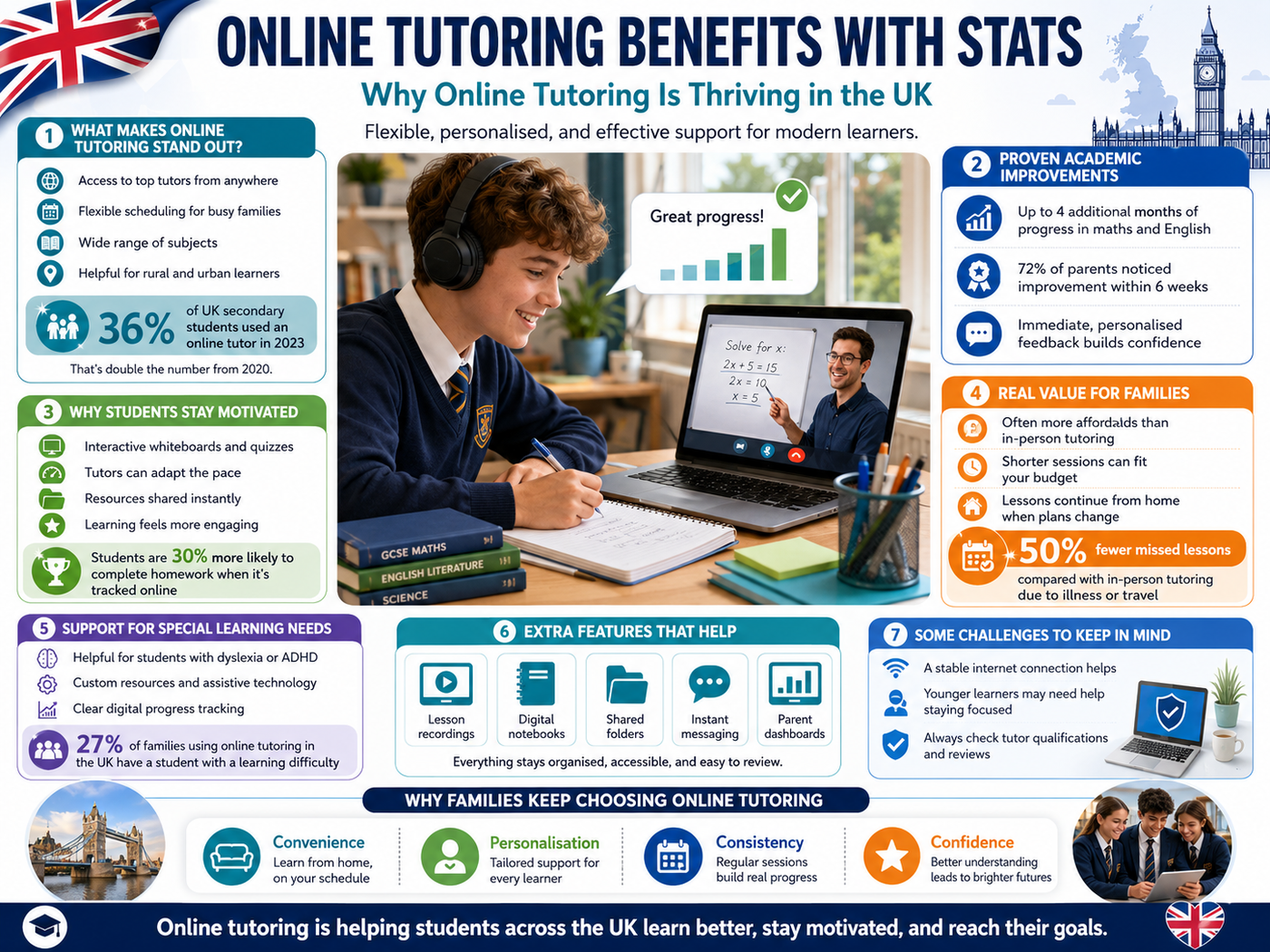
A 2023 survey by The Tutor Index showed that 36% of UK secondary students used an online tutor at least once that year, which is double the number from 2020. The move towards virtual learning kicked off when schools closed during lockdowns, but most students and parents kept turning to it because of the benefits.
- Access to Top Tutors: Students aren't limited by geography. A student in Cornwall can get help from a maths tutor in Manchester with a few clicks.
- Flexible Scheduling: Fitting tutoring around busy school and family schedules is easier when sessions can happen after dinner or on weekends. This also means sessions can be arranged during half-term holidays, providing versatility.
- Wide Range of Subjects: Whether it's GCSE Science, A-Level English, or even university entrance prep, the variety online is tough to match locally.
The strong demand for online tutoring is clear in rural and urban regions, as even areas with a wealth of local resources now see families choosing virtual support over traditional options. Ease of access, digital file sharing, and an all-in-one learning environment add genuine value for both learners and their families.
Proven Academic Improvements
Some might wonder whether virtual lessons are as effective as traditional tutoring, but stats from the Education Endowment Foundation say yes. Students who used online tutoring through government tutoring programmes saw average progress rates of up to four additional months in subjects like maths and English.
Parents who tried VNN Learning for their children's GCSE revision after struggling to keep up in crowded school classes reported strong results. More than half said their child's grades improved after just one term online, and their confidence jumped even faster than their grades did.
- Quick Results: 72% of UK parents polled by EdTech Impact in 2022 reported noticeable academic improvement within six weeks of starting online tutoring.
- Custom Feedback: Tutors can give immediate, personal feedback during video calls and mark up homework digitally, so there's no waiting around until the next lesson.
Beyond statistics, teachers in both primary and secondary settings have noticed students gaining independence, improved study skills, and a sense of achievement when combining in-school and virtual tutoring approaches. Some schools are even running dedicated online support hours, blending digital and traditional tuition for maximum benefit.
How Students Get Motivated with Online Tutoring
Children and teens are much more likely to get involved when technology is involved. Interactive whiteboards let them draw and solve problems in real time, and quizzes or games keep sessions lively. It's one of the reasons online tutoring works so well for students who aren't keen on learning in a classroom.
VNN Learning uses these interactive tools, and tutors can share resources instantly — like past papers, revision slides, or real-world news clips related to lessons. One parent even shared that her son was suddenly excited to learn chemistry for the first time, just because the lessons finally clicked thanks to engaging digital resources.
- Higher Engagement: According to Tutorful, students are 30% more likely to complete homework when it's tracked online.
- Personalised Pace: No pressure to keep up with the whole class, so tutors adjust the speed and focus where the student needs it.
Gamification and digital incentives have made a real impact as well, with some platforms offering badges, certificates, and fun progress trackers to keep learners motivated and invested in their own growth. For young people who appreciate autonomy, the self-directed element of scheduling and accessing resources anytime can add to their motivation.
Real Value: Cost, Convenience, and Consistency
One of the first questions families ask is, "Isn't online tutoring expensive?" It really depends on the provider, but overall, it's often more affordable than in-person sessions because tutors don't need to travel. You can also schedule shorter, more frequent sessions to fit your budget.
Being able to easily fit a 45-minute lesson into a busy weekday or book a weekend review session makes life easier. For those travel or sick days, lessons don't stop — you just sign on from home as usual. Over a full term or school year, this consistency makes a huge difference.
- Fewer Missed Lessons: Students using online tutors reported missing 50% fewer sessions compared with in-person ones due to illness or travel plans.
- Better Scheduling: Online lessons can often fit into off-peak hours, cutting the usual waitlists and making support more accessible at crunch times like exam season.
Family budgets also benefit from online tutoring packages or subscriptions that offer bulk session rates. This flexibility lets learners access help as little or as often as needed without long-term commitments, and with most platforms offering trial sessions, parents can try out tutors before signing up for an ongoing plan.
Some Challenges You Might Notice
No learning method works perfectly for every single student. Internet issues can cause interruptions, especially in rural parts of the UK. Some younger students miss the social side of in-person learning, so blending a mix of online and face-to-face can help.
It's also worth looking into the tutor's credentials and reviews before signing up for regular sessions. Companies like VNN Learning have background checks and training for their tutors, which gives peace of mind.
- Tech Troubles: A stable internet connection really helps. Using headphones and checking your Wi-Fi before a lesson can avoid missed time.
- Staying Focused: Younger learners sometimes need an adult in the room to keep them on task. Shorter, frequent lessons can keep attention high.
Despite a few hurdles, regular communication with tutors and hands-on parental support can solve most common issues. Some families even blend online tutoring with school-based clubs or activities to meet both academic and social needs.
Getting Support for Special Learning Needs
One great aspect of online tutoring is that it can be tailored for students with learning differences like dyslexia or ADHD. Digital lessons make it easy to share custom resources, slow things down, or use assistive technology to help every learner keep up. Around 27% of families using online tutoring in the UK have a student with a learning difficulty, which shows how flexible this approach can be.
Online tutors experienced with special educational needs often integrate tools like speech-to-text, text-to-speech, or interactive visuals. Parents appreciate being able to monitor progress with clear digital tracking, and students are less likely to feel left behind or singled out compared to classroom environments.
Extra Features That Help Online Learning Shine
Online platforms from companies like VNN Learning include tools you might not get with face-to-face tutors. For example, lesson recordings let students revisit tricky topics before exams or during homework sessions. Shared folders keep resources in one place, and instant messaging lets parents and students stay in the loop with their tutor without waiting a whole week.
- Lesson Recordings: Great for review or when a student's memory needs a refresh before a test.
- Digital Notebooks: All materials stay organised and accessible from anywhere, so there are no more piles of loose papers.
Some online platforms also add parent dashboards where families can see attendance, feedback, and progress metrics at a glance. These extras make it smoother for parents to keep tabs on learning and step in quickly if a challenge comes up.
Common Questions About Online Tutoring in the UK
How do I find a reliable online tutor? Look for checked reviews, qualifications, and training. Established companies like VNN Learning list tutor experience and areas of expertise, making it easier to match with what you need.
Is online tutoring safe for children? Leading platforms require tutors to have DBS checks and use secure lesson environments. Video recordings and parent access to join or observe sessions add another layer of reassurance.
What devices do you need for online tutoring? Most platforms work on a laptop, desktop, or even tablet. A webcam, microphone, and stable internet are usually all that's needed.
Can online tutoring help with exam preparation? Absolutely. Many tutors specialise in exam techniques, providing targeted revision, past paper practice, and stress management tips to give students a leg up during test season.
Online Tutoring and the Future of Learning in the UK
Convenience, personalisation, and access to higher-quality support are big reasons families across the UK keep turning to online tutoring. From boosting grades to building confidence and making learning easier to fit around life, it's a solution that works for those looking for something beyond the typical classroom experience. The stats show a strong track record, and the impact on both academic results and student motivation makes it a smart choice worth exploring.