

 vikesh@vnnlearning.com
 Interactive physics lessons can turn high school exam prep from a boring grind into something a lot more engaging and meaningful. When I mix hands on activities, simulations, and group discussions into my lessons, I see students grasp trickier concepts faster, and they actually start to enjoy learning physics. I’ve found that curating lessons with a mix of approaches makes complicated topics more accessible for everyone, no matter their learning style. Here, I’m breaking down the strategies, resources, and real-world tips I use for creating interactive physics lessons that help students prep for exams while actually understanding the subject.
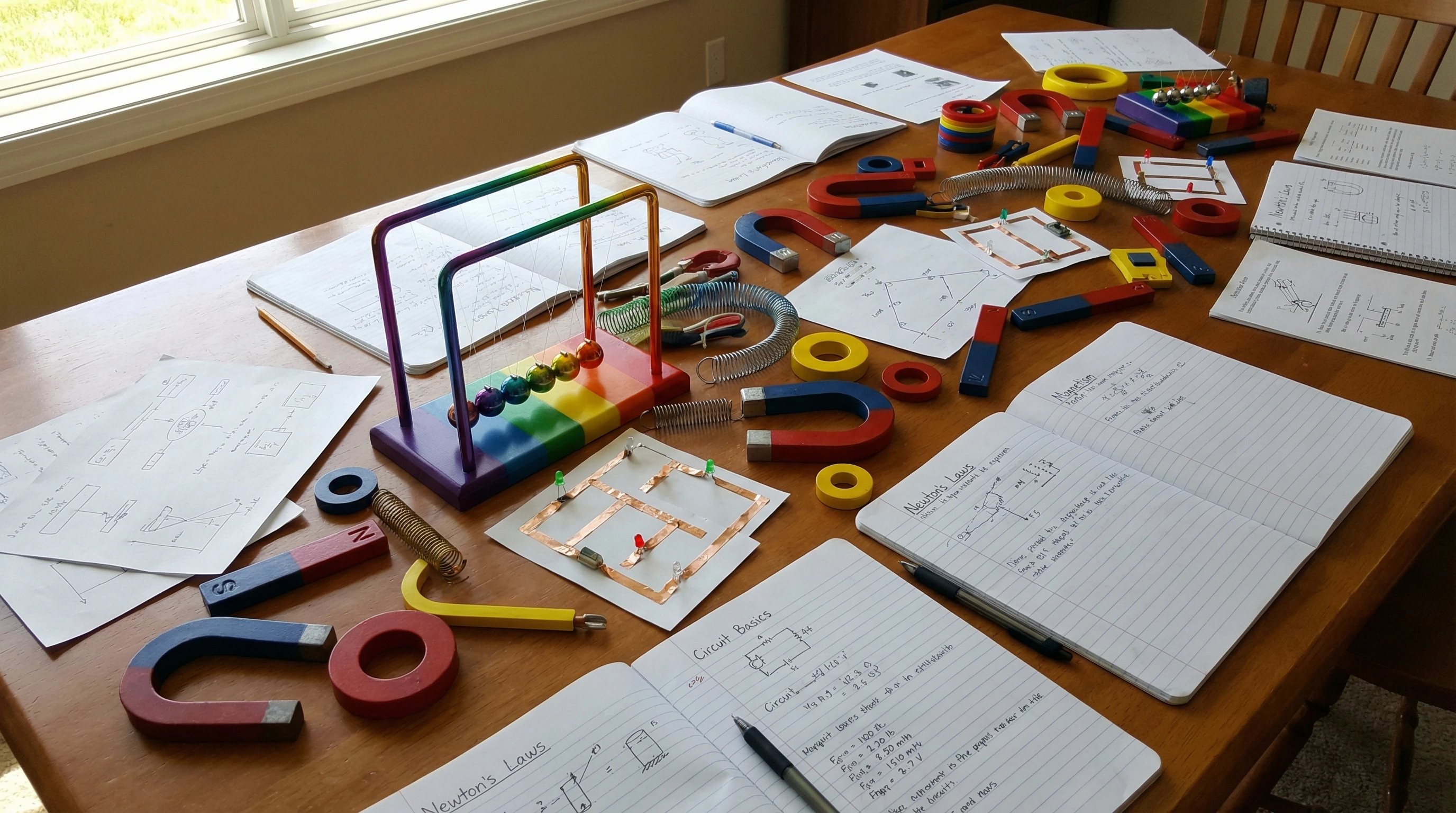
Why Interactive Lessons Matter in Physics Exam Prep
Physics can get pretty abstract in textbooks, so bringing those concepts into the real world is super important if you want things to stick in students’ minds. Interactive lessons give students the chance to experiment and see physics in action, which helps them build mental models instead of just memorising formulas.
High school students preparing for exams tend to do better when they understand the reasoning behind answers, not just the answers themselves. Interactive activities like hands on demos or digital simulations help students bridge the gap between theory and practice, so they’re more likely to get the “why” behind the “what.” This boosts their confidence during test time and helps them remember what they’ve learned well beyond the exam.
Getting Started: Building the Right Foundation
Jumping into interactive lessons isn’t about scrapping your current exam prep plan but building on what’s already there. Here’s how I start:
- Identify Weak Spots: Not all topics trip up students equally. I look for common trouble areas, like forces and vectors, electricity, or optics.
- Mix Up Teaching Styles: Some kids love solving problems on the board, while others light up during labs. Tossing in variety keeps students alert and lets everyone shine at some point.
- Start With Objectives: I pick one or two clear outcomes for each lesson. For example, mastering Ohm’s Law or nailing vector addition. This makes activities more focused and less overwhelming.
Laying a solid base helps every new activity actually support exam prep instead of turning into a random distraction.
Interactive Activities That Work For Exam Prep
I’ve tested loads of activities, and some consistently help high school students prep for physics exams. Here’s a mix that I recommend rotating through:
- Lab Experiments: Even simple setups, like using a toy car and ramp to study acceleration, make a difference. I get students to predict results, run the test, and connect the data to key equations.
- Simulations and Virtual Labs: Websites like PhET Interactive Simulations offer free virtual labs on everything from circuits to waves. Students can tweak variables and instantly see what changes, which is useful for hard to demonstrate topics.
- Ranking Tasks & Conceptual Questions: Instead of calculations, I’ll throw out scenarios (like “Rank these situations by net force”) to get students thinking beyond the math. These mirror conceptual questions they’ll see on exams.
- Student Peer Teaching: Having students explain concepts or solve problems for their classmates can really reinforce their own understanding, and often gives me fresh ways to spot misunderstandings.
- Real Life Problem Challenges: I connect lessons to news headlines or common mysteries (“Why do seat belts matter in a crash?”) so students get how physics applies outside the classroom.
Mixing in different activity formats keeps lessons interesting and helps all learners get multiple exposures to important ideas. For example, after a group investigates energy conversion by dropping objects from various heights, a follow up simulation can let them tweak variables they couldn’t easily change in real life. Over time, students get a bigger toolkit for tackling unfamiliar questions on exams.
Practical Steps For Integrating Interactivity Into Lessons
Blending interactive elements into traditional exam review doesn’t need huge budgets or super fancy equipment. I stick to these steps:
- Start Small: One interactive activity per week works great if you’re new to this approach. It gives you and your students time to adapt.
- Prep Materials In Advance: I gather supplies or test simulations before class. This means setup is quick, and I can jump right into the activity.
- Use Guiding Questions: Open ended questions like “What outcome do you expect?” or “Why did the ball fall faster/slower?” keep discussions directed.
- Relate Activities Directly To Exam Topics: I always highlight how the lesson ties to exam questions. This way, students see value in each activity for their test performance.
- Encourage Reflection: After the activity, I give time for students to jot down what surprised them or what they’d change, helping cement the concepts.
Consistency is what really helps here. Even short, simple interactive exercises can add up over time and make a big impact. If I notice some students are more reserved, I rotate who leads group work, which builds confidence and helps quieter students take the reins in a low pressure way.
Common Hurdles And Realistic Solutions
I’ve faced a few challenges trying to make physics lessons more interactive, so I’ve picked up some tricks for when things don’t go as planned:
- Limited Resources or Space: I improvise with everyday objects, like coins for energy conversions or rulers and string for pendulum experiments. It’s more about the thinking process than expensive gear. If I ever run out of ideas, I check out online teacher forums or education blogs for DIY lab hacks.
- Reluctant Students: Some students hesitate to get involved, especially during group work. I create smaller breakout groups, rotate team leaders, and make sure every student has a set role (like timer, data recorder, or presenter) to keep everyone involved. Check ins right before or after help students who might need a nudge.
- Time Pressure: Exam season is busy, so I focus interactive time on trickier concepts rather than covering everything this way. Ten minutes on a focused simulation or demo can be plenty to clear up confusion.
- Tech Glitches: When digital simulations don’t load, I keep printable backup versions on hand or switch to a paper based demo to keep things moving.
Lab Setups on a Budget
You don’t need a fully stocked lab to get hands on. I’ve had great success with dollar store supplies, recyclables, or even just students’ smartphones for timing or slow motion recordings. Homemade circuits, DIY projectile launchers using rubber bands, or simple pendulum setups all work well and let students see physics in a tangible way. These quick builds show how basic tools can deliver real insight into scientific principles.
Getting the Most Out of Simulations
When using virtual labs, I remind students these help with visualizing things you just can’t show easily in class (like magnetic fields or wave interference). I like to set challenges, such as “can you find the right values to get a certain result?” to keep students engaged instead of just clicking through mindlessly. Afterward, I ask a few students to share their strategies, which encourages the whole group to pay closer attention and pick up new approaches.
Extra Tips for Effective Physics Exam Prep
Beyond interactive lessons, there are ways to optimize how students prepare for high stakes physics exams:
- Practice With Past Papers: I set aside time each week for students to solve real exam questions together, which helps them spot common question formats and recurring themes.
- Encourage Group Study Sessions: Two heads are better than one, especially when working through tricky problems or tricky wording. Group work also helps students see how others tackle hard questions.
- Focus On Concept Maps: Building a map of how ideas like energy, work, and power connect makes revision easier and more visual. Some students go a step further by color coding or drawing diagrams that link related equations.
- Use Spaced Repetition: Revisiting topics over days or weeks boosts retention. I space out mini quizzes to keep concepts sharp. If someone misses a question, we talk through the answer and tie it back to hands on work from class for context.
Frequently Asked Questions
Here are a few questions that often come up among teachers and students who want to make physics exam prep feel less overwhelming:
Question: Do interactive physics lessons actually improve exam performance?
Answer: When students actively participate and connect theory to practice, they understand concepts more deeply. This leads to better retention and more confident exam performance. In my experience, even reluctant learners show improvement when we mix in activities or simulations.
Question: What if we don’t have much lab equipment?
Answer: Everyday items — balls, spring scales, rulers, or coins — work for many experiments. Virtual simulations also fill in the gaps and offer plenty of practice opportunities. Asking students to bring in objects from home for simple tests can help make physics more accessible and collaborative.
Question: How can I manage interactive lessons in a big classroom?
Answer: I split students into smaller groups and assign roles to keep things organized. Stations with simple activities let more students get involved at the same time, and rotating tasks means nobody is just sitting out. If needed, I enlist student volunteers to help facilitate each group, so everyone stays on track.
Wrapping Up
Adding interactivity to high school physics exam prep can make a real difference in students’ understanding, motivation, and test scores. By starting small—one hands on experiment or simulation at a time — it’s possible to bring abstract physics to life and help students tackle their exams with way more confidence. Whether you’re teaching or studying, a mix of practical activities and thoughtful resources gives everyone a better shot at success. If you’re looking to boost results and keep learning interesting, do not hesitate to add in some interactivity and let your classroom energy soar.