

University Rankings: Do They Tell You Everything?
University rankings often make headlines and fill up brochures, but the question stays the same: are these rankings really telling you everything you need to know? I've been through the university decision process myself, sifted through tons of lists and been on more than a few campus tours. From my experience, there's a lot more to finding the right fit than a number on a chart. If you're getting ready to choose a university, or you're helping someone else make that choice, there are a few things worth considering beyond the hype of rankings.
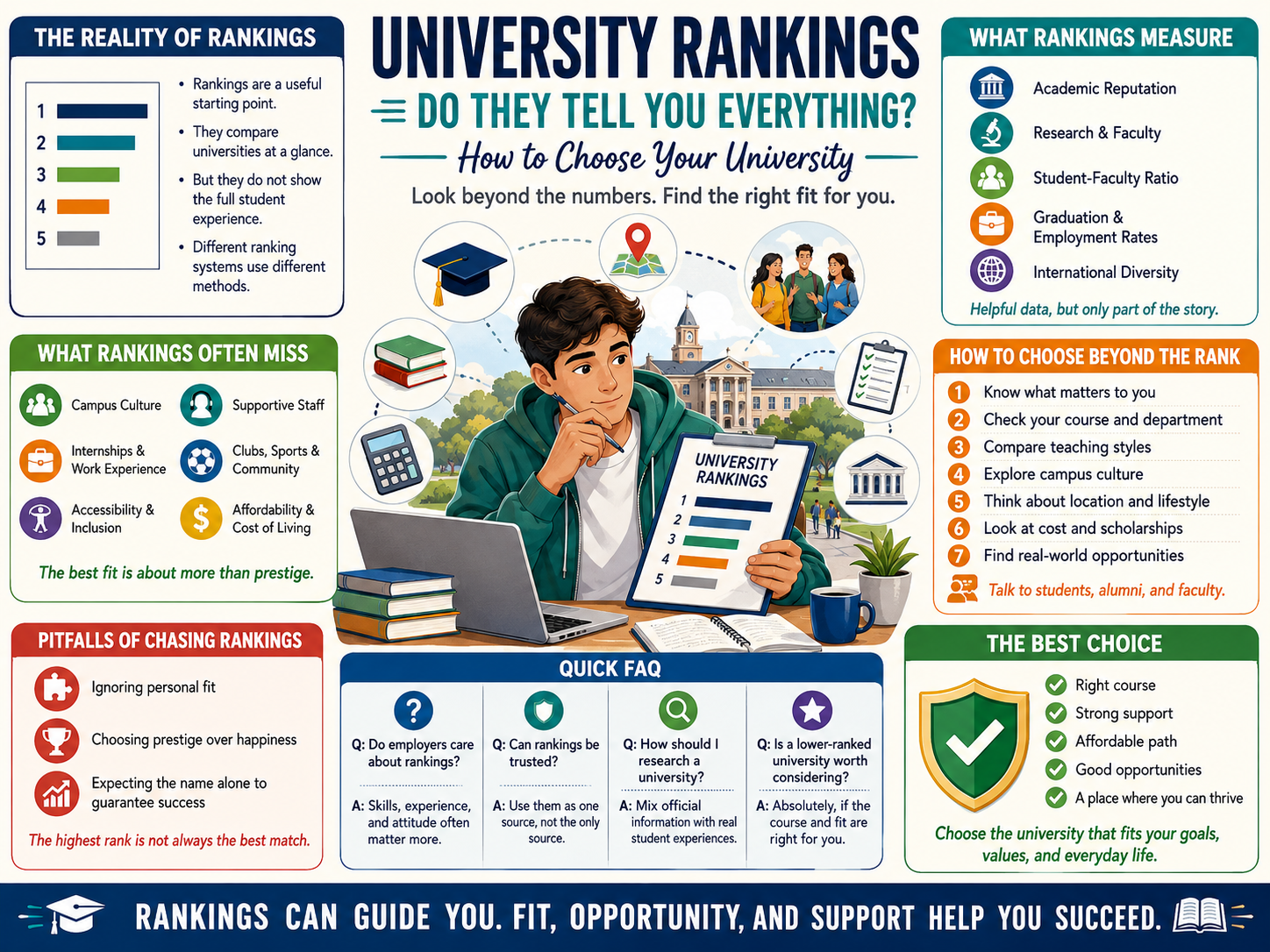
The Reality of University Rankings
University rankings grab attention for a reason: they're an easy way to compare universities at a glance. And with lists coming from sources like QS, Times Higher Education and U.S. News, it feels like there's some authority behind those numbers. But even the top rankings leave out major factors that can affect your experience both as a student and after graduation.
Most rankings are based on data points that look solid on paper: research output, faculty awards, employer reputation and more. Some lists factor in student satisfaction or graduation rates, but even those stats come from big-picture surveys. While rankings can point you towards universities worth checking out, relying on them entirely means missing out on the parts of university life that don't get measured, like the campus atmosphere, community, or even whether you'll feel comfortable and challenged there.
There's also the matter of methodology. Each ranking service uses a different recipe for its lists. One might put heavy weight on how much research money a university brings in, while another could lean into global partnerships or industry connections. If you've seen big swings from one year to the next, that's often less about dramatic changes at the university and more about an adjustment in how things are scored.
Understanding What Rankings Measure, and What They Don't
Getting familiar with what goes into rankings helps set realistic expectations. Here's how it often breaks down:
- Academic Reputation: Usually based on peer surveys. Professors and administrators grade each other, but this can be more about tradition than actual teaching quality.
- Faculty Credentials and Research: Nobel prizes, published research and faculty hires matter for research universities. For undergraduates looking for hands-on teaching and real mentoring, though, this is only part of the story.
- Student to Staff Ratio: Looks good for class size, but doesn't always indicate the quality of the teaching or how much support you'll get.
- Graduation and Employment Rates: Important, but sometimes skewed by student demographics or local job markets, not just the university's support systems.
- International Diversity: Universities with lots of global students score points, but diversity of thought or support for new arrivals can vary widely.
Here are some things rankings usually leave out or gloss over:
- Campus culture and social life
- How supportive staff and lecturers really are
- Opportunities for real-world experience (internships, placements, work experience)
- Clubs, sports and community involvement
- Accessibility and inclusion, including support for students with disabilities
- Affordability when you factor in scholarships and cost of living
I've visited top-ranked universities that felt cold and impersonal, and stumbled on campuses that were comfortable, friendly and full of hidden opportunities. The funny thing is, those more welcoming places didn't always land high on the rankings.
How to Choose a University: Beyond the Rank
Narrowing down your list takes looking past just the numbers. Here's a game plan I wish I'd known earlier:
- Figure Out What Matters Most to You: Make a list of your personal must-haves; anything from small class sizes to a strong football team to the music scene in the city. If you get excited about certain courses, research them specifically at each university you're considering.
- Check Course Offerings and Department Strengths: Not all universities are equal across every department. A university highly ranked overall might have a weaker programme in your field, while a lesser known university totally knocks it out of the park in what you want to study.
- Consider Teaching Styles: Some places focus on research and large lectures, others prioritise small-group learning and mentoring. If you know you do better with personal attention, check out those details over general rankings.
- Explore Campus Culture: Set aside time to visit, either online or in person. Some universities have really active student unions, concerts and events, while others are quieter. Talk to current students or alumni; they'll give you the real picture. Sites like Unibuddy, Reddit, or even YouTube vlogs can show off the unfiltered experience.
- Location and Lifestyle Realities: City, town or countryside? Is public transport decent? What's the weather like? Do you want a big sports scene? Does the food look edible? Don't underestimate how much these bits will shape your life.
- Look at Affordability: Tuition, scholarships, cost of living and hidden fees vary tremendously. Universities might advertise financial support or bursaries; dig into the details.
- Opportunities for Experience: Paid work placements, internships, study abroad and campus jobs help you build real-world skills. Not every university has the same network or partnerships, so see if your course connects you directly with employers or alumni in your field.
Beyond this, talking with staff and lecturers about your potential area of study can give you more insight than any number ever could. Don't forget to check if there are support services for things like mental health, careers guidance or students who are the first in their family to attend university. Those resources often get overlooked in the early stages of searching, but they can make all the difference once you're on campus.
Potential Pitfalls of Following Rankings Too Closely
While rankings are tempting to rely on, here are a few reasons I'd recommend not treating them as the only deciding factor:
- Personal Fit Gets Ignored: A top-50 university might be a stressful mismatch for your learning style or personality, while a smaller or lesser known university could help you thrive.
- Pressure and Expectations: Choosing a high-ranked university for the reputation alone can build pressure, and that doesn't always lead to happiness or success. Picking what's a real fit leads to better outcomes.
- Potential for Disappointment: The hype may set you up for unrealistic expectations. If you go in thinking the name guarantees a perfect experience, it's easy to get let down when reality doesn't match the brochure.
Careful research, honest self-reflection and even a chat with lecturers or current students is a good way to steer around these pitfalls. You might also want to consider internship opportunities and campus employment as deciding factors, especially if gaining work experience during your studies is important for your future goals.
FAQs About University Rankings and Choosing the Right University
Do employers really care about university rankings?
Most employers care more about your skills, experience and attitude than they do about the specific ranking of your university. For some industries or big-name companies, a prestigious university is a foot in the door, but work experience and networking play a big role too.
What's the best way to research a university?
Mix official sources (university websites, department pages, virtual tours) with unofficial voices (student reviews, forums and alumni groups). Visiting in person or connecting with current students often reveals the bits you won't see in rankings.
Can you trust university rankings?
Rankings give some helpful data but shouldn't be your only source. Always check what goes into a ranking and look at several sources; don't just follow the top of one list.
Is it worth applying to a lower-ranked university?
Definitely. Sometimes a lesser known university has a great course, smaller classes, or a campus that just feels right. What matters most is how well the fit lines up with your goals.
Wrapping Up: Finding Your Place
Choosing a university mixes big facts with personal feelings. Rankings can give you some handy pointers, but they definitely don't tell the whole story. Focusing on fit, real opportunities and whether you'll have the support you need for your academic and social life is so important. I've seen friends who chased names over comfort end up transferring, while others found their stride at universities they'd never heard much about before visiting. Own your search, ask the real questions and keep an open mind. You'll find the right place to learn and grow.
At VNN Learning, we help students not only reach the grades they need but also think carefully about the path ahead — from choosing A-levels to preparing university applications and personal statements. If your family is weighing up university options, we're here to guide you.
Ready for support with the next step? Get in touch for a free consultation.